 Greenwash
Your
Packaging
Tells A
Story.
Most Of It
Isn't True.
We audit DTC brands from warehouse to doorstep — dissecting every layer of your supply chain until each SKU has a sustainability story that survives scrutiny.
of "recyclable" packaging never reaches a recycling facility
average hidden cost per shipment in unaccounted carbon
common eco-certifications are recognised by top-tier retail buyers
EU Digital Product Passport mandatory for apparel brands
"Is recyclable packaging actually getting recycled?"
The most common assumption we encounter — and the one with the highest legal exposure. Here's what the data says versus what the label implies.
| Aspect | Common Assumption | Quick Win (2–8 wks) | Audited Reality |
|---|---|---|---|
| Recyclability ClaimsLegal risk: HIGH | "Recyclable" label on packaging means it will be recycled by the consumer. | Add "Check local facilities" caveat. Update packaging claims to "Designed to be recyclable." | Only 9% of plastic packaging globally was recycled in 2023. "Recyclable" without collection infrastructure is a marketing claim, not a fact. |
| Paper vs PlasticContext-dependent | Paper mailers are always more sustainable than poly mailers. | Audit weight — paper mailers 3–5× heavier, increasing transport emissions per shipment. | A 50g poly mailer produces 0.8kg CO₂e vs 1.4kg CO₂e for equivalent paper — but poly persists 450+ years if not captured. |
| Compostable Packaging–£0.04/unit labelling fix2–3 weeks | Compostable packaging breaks down naturally in consumer bins. | Label clearly: "Industrial compost only." Add QR code linking to local drop-off facilities. | Certified compostable packaging requires 58°C+ sustained heat for 12 weeks. Home bins never reach this. 94% ends up in landfill. |
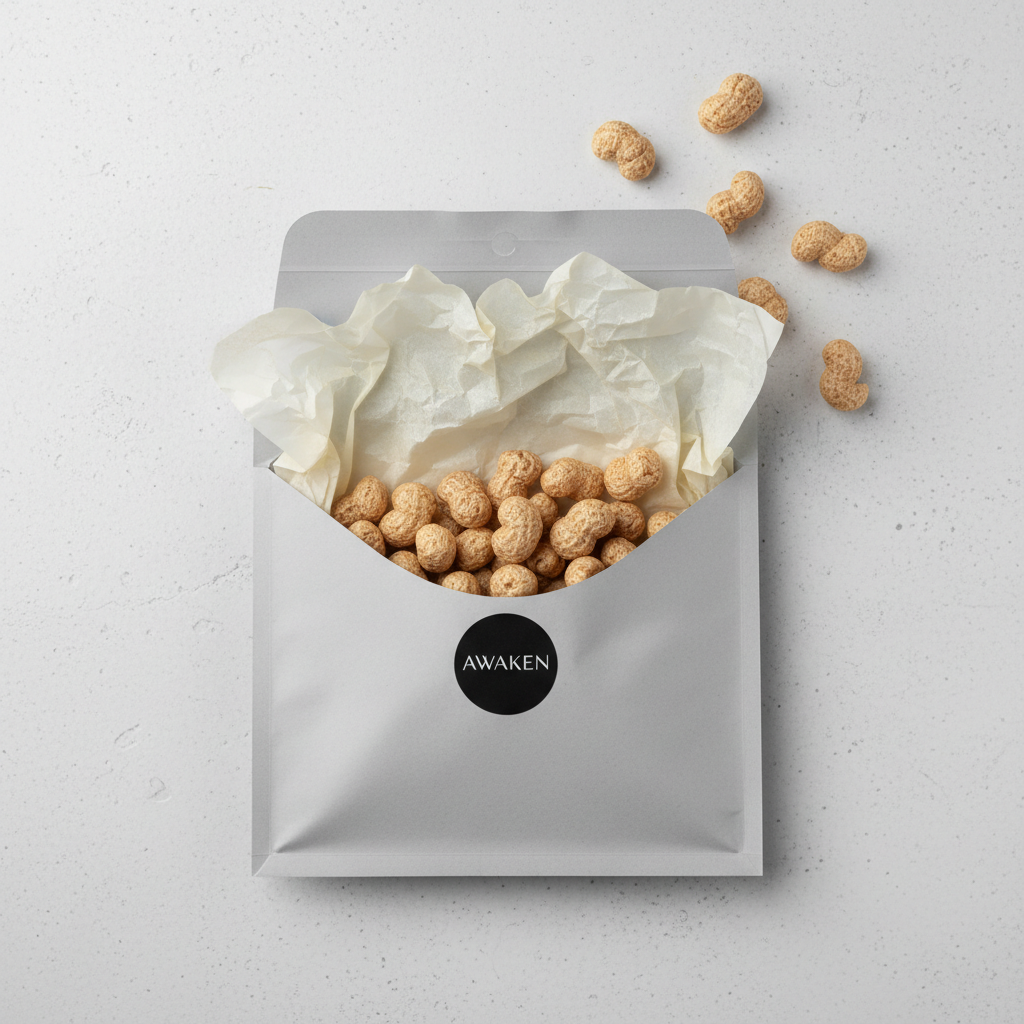
| Void Fill–$0.12–0.28/shipment4–8 weeks | Biodegradable packing peanuts are a sustainable choice. | Switch to right-sizing cartons — reduces void fill need by 40–60% on average SKU audits. | Starch peanuts dissolve in water but require 6× the agricultural land per kg vs paper alternatives. Right-sizing eliminates the category. |
| Ink & Adhesives+$0.02–0.06/unit6–12 weeks | Custom-printed packaging doesn't affect recyclability. | Switch to water-based inks. Audit adhesive type on branded stickers — acrylic adhesives contaminate paper streams. | UV-cured inks and solvent adhesives are the #1 reason branded packaging is rejected at MRFs. Affects 38% of branded DTC mailers. |
Every section you've just read describes a real client. The question is which column you're currently in.
Book Your Supply Chain Audit"Will sustainable shipping kill my margins?"
The ops manager's question. The short answer is no — but only if you measure the right things. Most brands are paying a sustainability premium they don't need to.
| Aspect | Current Assumption | Optimisation Path | Audited Reality |
|---|---|---|---|
| Carbon OffsetReputational risk: CRITICAL | Buying carbon offsets makes our shipping carbon-neutral. | Audit offset quality — Gold Standard or Verra VCS only. Disclose offset type and vintage in sustainability report. | A 2023 Guardian investigation found 90%+ of rainforest offset credits issued by major certifiers were "phantom credits." Offsets are a last resort, not a strategy. |
| Carrier EmissionsSwitch cost: £01–2 weeks | All shipping carriers have similar carbon footprints per parcel. | Request carrier-specific emissions data. UK: Royal Mail averages 0.4kg CO₂e/parcel vs DPD at 0.9kg for same route. | Carrier choice can create a 40–120% variance in per-parcel emissions on identical routes. Most brands have never requested this data. |
| Last-Mile RoutingVaries by network8–16 weeks | Faster shipping (next-day) is always higher-carbon than standard. | Audit your customer geography vs warehouse location. Consolidated regional depots can make 2-day lower-carbon than 5-day cross-country. | Next-day from a regional depot 40 miles away produces 0.3kg CO₂e. Standard 5-day from a central hub 280 miles away produces 1.1kg CO₂e. |
| Return Loops+£4.20 avg hidden cost | Returns are a customer service cost, not a sustainability problem. | Add returns data to carbon reporting. Implement "keep it" policy threshold for low-value items — reduces transport emissions 100% on that SKU. | Average fashion return generates 3× the carbon of original shipment when processing, re-packaging, and re-shipping are included. Most brands don't account for this. |
| Margin Impact–6–22% net cost3–12 months | Sustainable shipping will increase fulfilment costs by 15–30%. | Right-sizing alone reduces dimensional weight charges by 8–22% — often fully offsetting sustainable packaging premiums. | Greenwash audits find net cost reduction in 71% of cases after year 1. Carrier negotiation using emissions data as leverage averages 6% rate improvement. |
Recognise your brand in this table?
Most DTC founders do. A 30-minute diagnostic call changes the conversation.
"What certifications actually matter to retailers?"
The marketing director's nightmare. There are 47 active eco-certifications in the DTC space. Three of them are recognised by the buyers who matter. Here's the map.
| Aspect | Brand Assumption | Practical Path | Buyer-Level Reality |
|---|---|---|---|
| FSC CertificationAudit cost: £200–4002–4 weeks | FSC-certified packaging satisfies all retail buyer sustainability requirements. | Confirm FSC chain-of-custody certificate covers your specific supplier — not just the paper mill. Many brands hold FSC claims without valid CoC. | FSC is necessary but insufficient. John Lewis, Selfridges, and Nordstrom now require FSC + carbon footprint disclosure + packaging reduction targets. FSC alone fails 3 of 5 major retail ESG questionnaires. |
| B Corp Status£1,500–25,0006–18 months | B Corp certification satisfies retail buyer ESG requirements. | Map B Corp requirements to specific retail buyer questionnaires before investing. 60% overlap with Walmart's Sustainability Index; 30% with Selfridges. | B Corp certification requires 3-year renewal cycle and costs £1,500–25,000+ depending on size. Buyers increasingly want product-level data, not company-level certification. |
| Plastic PledgesLegal risk: HIGH | "Plastic-free" or "plastic-neutral" claims are straightforward to make and defend. | Conduct a full plastic inventory audit before making any public claim. Map every plastic-containing component including tape, labels, and inner packaging. | FTC Green Guides (US) and UK CMA Green Claims Code both require substantiation for plastic claims. Three DTC brands received ASA rulings against "plastic-free" claims in 2024 alone. |
| Carbon LabellingMandatory by 202712–24 months prep | Product carbon footprint labels are a nice-to-have for eco-conscious consumers. | Calculate Scope 3 Category 1 (purchased goods) for your top 10 SKUs. This data satisfies 80% of current retail buyer requests. | EU Product Environmental Footprint regulation mandates carbon labelling for textiles sold in EU by 2027. Brands without product-level data will be delisted, not warned. |
| Social Compliance£800–3,000 per supplier3–6 months | Sustainability certifications cover environmental claims only. | Request supplier social audit reports (SMETA, BSCI, or SA8000) now. These take 3–6 months to obtain — start before buyers ask. | Target, Whole Foods, and ASOS ESG questionnaires require both environmental and social compliance documentation. Missing social data fails 4 of the 6 largest retail ESG questionnaires. |
The Audit // 18 Days Average
Your Retail Buyers Already Have
These Questions. We'll Answer Them
Before They Ask.
30-minute diagnostic. No obligation.
Book Your
Supply Chain
Audit.
A 30-minute call that maps your current supply chain against the certifications your retail buyers actually require. You'll leave with a prioritised action list — whether you hire us or not.
Available 30-Min Slots
What Happens in 30 Minutes
We review your brand URL cold — packaging, claims, certifications
You walk us through your current supply chain assumptions
We map the three highest-risk gaps and a prioritised fix list
The 12-Point
Greenwash
Test.
The exact checklist our auditors run on every new client brief — before we've even seen their packaging. If you can answer "yes" to fewer than 8 of these, you have a defensibility problem.
- 01Packaging recyclability — what actually gets processed in your key markets
- 02Supplier carbon disclosure — Scope 3 emissions visibility
- 03Certification validity — expiry dates and retail buyer recognition
- 04Return loop carbon accounting
- 05Void fill and filler material decomposition timelines
- 06Ink and adhesive chemical disclosure
- +6more checks — download to see all
Not ready to book?
Start here.
Enter your work email and we'll send the full 12-point checklist immediately. No nurture sequence. No sales call follow-up unless you ask for one.
"We failed 9 of 12. Sobering and necessary."
Petra Holloway
Founder, Kindred Goods
"The checklist alone saved us from a buyer audit disaster."
Marcus Webb
VP Ops, Thornfield DTC